Why garage door springs break: common causes
Contents
- 1. The Role of Garage Door Springs in Your Garage Door System
- 2. Common Types of Garage Door Springs
- 3. Top Reasons Why Garage Door Springs Break
- 3.1. Wear and Tear from Regular Use
- 3.2. Rust and Corrosion
- 3.3. Poor Maintenance
- 3.4. Improper Installation
- 3.5. Temperature and Weather Changes
- 3.6. Overloading the Garage Door
- 4. Signs Your Garage Door Springs Are Failing
- 5. Why Professional Repair is Essential for Broken Garage Door Springs
- 6. For more information, please contact us
- 7. How We Can Help with Your Garage Door Spring Issues
- 8. Conclusion
- 9. Related Services



Garage door springs are essential components of the system, responsible for managing the door’s weight and ensuring smooth operation. However, over time, these springs can wear out and break, leading to potential safety hazards and costly repairs. Understanding the common reasons why springs break can help you prevent future issues and extend their lifespan.
These springs come in two types — torsion and extension, both of which experience significant strain each time the door is used. The most common cause of spring failure is the natural wear and tear from daily use. On average, people often ask, “How long do garage springs last?” The lifespan typically ranges from 7 to 10 years, depending on usage. However, various factors can lead to premature failure, such as rust, poor maintenance, or improper installation.
The Role of Garage Door Springs in Your Garage Door System
Springs play a crucial role in the smooth and safe operation of the door. These springs are responsible for balancing the door’s weight, allowing it to open and close with ease. Without them, manually lifting the heavy door would be nearly impossible, and the motorized opener would struggle to function efficiently. But why are springs necessary in the first place?
The springs bear the brunt of the work every time the door is used, counterbalancing the door’s weight. As you use your garage daily, these springs undergo significant stress, which naturally leads to wear and tear over time. One of the most common questions is, how long do garage springs last? Typically, torsion springs can last between 7 to 10 years or around 10,000 cycles, depending on how frequently the door is used.
However, improper maintenance, weather conditions, or poor installation can shorten their lifespan. What causes a garage door spring to break often comes down to these factors, combined with the natural fatigue of the metal. The tension these springs hold makes them essential but also prone to failure without proper care.
When a spring fails, the resulting snap, which not only prevents the door from functioning but can also pose safety risks. Understanding the importance of garage door springs and maintaining them regularly can help prevent unexpected issues and extend their lifespan.
Common Types of Garage Door Springs
Understanding spring types their types can help in selecting the right one for your needs and knowing why they may break over time. There are two primary types of garage door springs: torsion springs and extension springs. Both play different roles but are crucial for the proper functioning of your garage door.
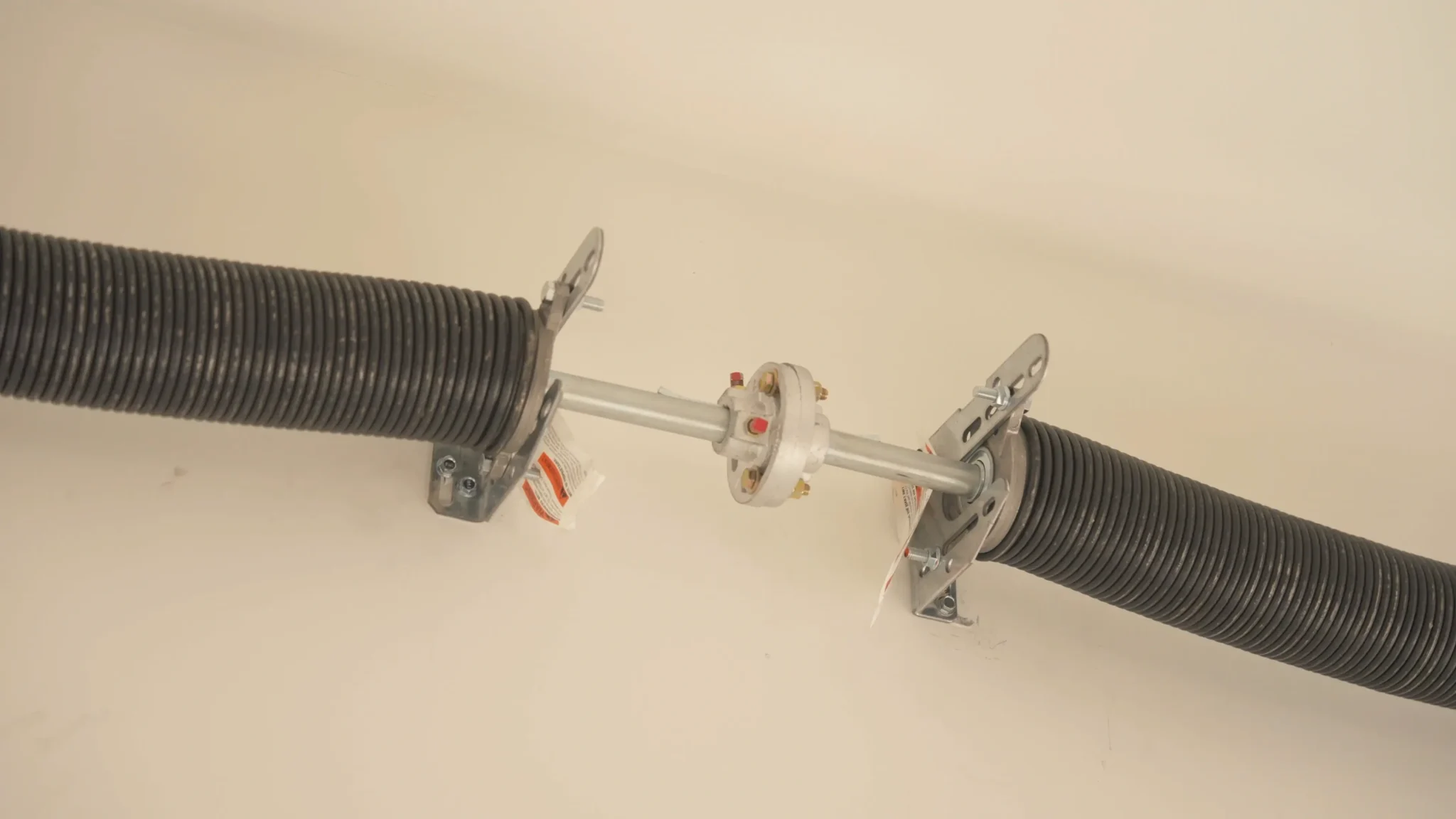
Torsion Springs
Torsion springs are mounted above the garage door and work by twisting to store energy. They are more durable and typically last longer than extension springs, making them a popular choice for most systems. When you wonder, how long do garage springs last?”, torsion springs usually have a lifespan of 10,000 to 20,000 cycles, depending on how well they are maintained. However, common causes of failure include regular wear and tear, rust, and extreme weather conditions. When a torsion spring breaks, the door may become unbalanced, and you could hear a loud snap, indicating that the spring has failed.
Extension Springs
Extension springs are located on either side of the garage door and stretch as the door moves. These springs are generally less expensive but may not last as long as torsion springs. People often ask, why do garage door springs break?”, and with extension springs, overstretching is the most common cause, which can lead to failure over time. Additionally, poor maintenance and improper installation are leading causes of spring breakage. If your springs keep failing, it may be a sign that the springs are under too much stress or were not installed correctly.
Both types of springs are vital to the operation of your garage door, but regular inspection and maintenance can significantly extend their lifespan and help prevent sudden failures. If you are wondering what happens when a spring breaks, it’s essential to address these issues quickly to avoid further damage to the system.
Top Reasons Why Garage Door Springs Break
Springs are subject to immense pressure every time the door cycles. Over time, various factors contribute to the wear and eventual failure of these springs. Understanding what causes failure can help you take preventive measures and avoid costly repairs. Below are the most common reasons why springs break:
-
Wear and Tear from Regular Use
Daily usage is one of the primary reasons why springs fail. The more frequently you use your garage door, the faster the springs wear out. Over time, the continuous tension and release cause the metal to fatigue. Many people ask, “how long do garage springs last?” Generally, springs last between 7,000 to 10,000 cycles, which translates to about 7 to 10 years of typical use.
-
Rust and Corrosion
Rust can significantly shorten the spring’s lifespan. When springs rust, the friction between coils increases, causing the metal to weaken and eventually snap. Regular lubrication can help prevent rust from forming and extend the lifespan of your springs.
-
Poor Maintenance
Neglecting routine maintenance can lead to early failure of your garage door springs. Springs need to be inspected regularly for signs of wear and tear, and any issues should be addressed before they become severe. This includes ensuring that the springs are properly lubricated and tensioned. If your springs keep failing, it may be due to a lack of proper maintenance.
-
Improper Installation
Incorrect installation of garage door springs can put unnecessary stress on the system, leading to early failure. If your garage spring breaks prematurely or you find yourself asking, “Why did my garage door spring break?”, improper installation could be the cause. Always ensure that your garage door springs are installed by professionals to avoid such issues.
-
Temperature and Weather Changes
In Laguna Niguel, extreme weather conditions can cause garage door torsion springs to break. Cold temperatures, in particular, make metal more brittle, increasing the likelihood of a sudden spring failure. In contrast, heat can cause the springs to stretch out of shape.
-
Overloading the Garage Door
If your garage door is heavier than what the springs are designed to handle, the added weight can lead to early spring failure. Over time, this overload puts too much pressure on the springs, causing them to break. If you’re unsure why your garage door spring keeps breaking, overloading may be the issue.
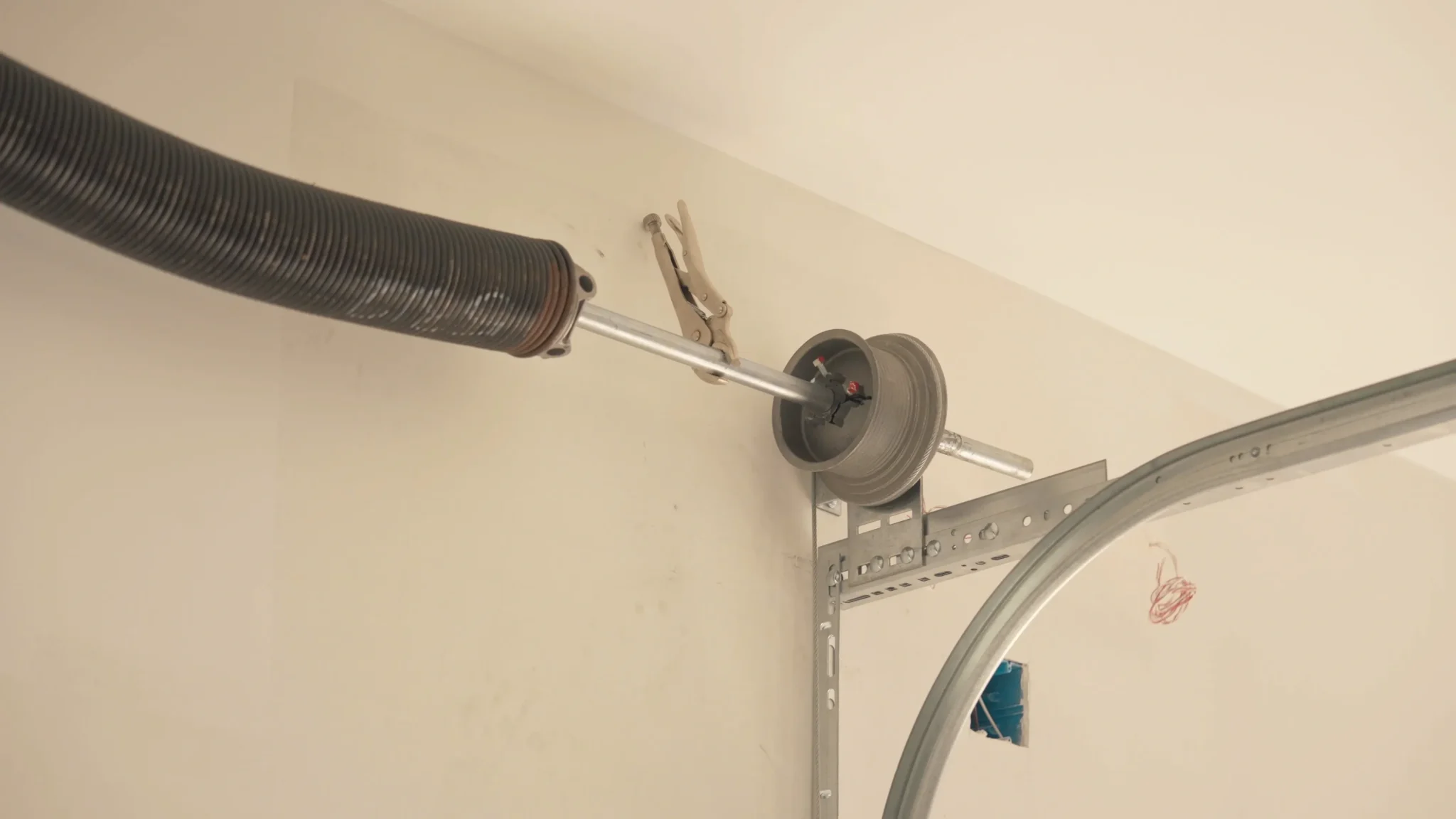
Signs Your Garage Door Springs Are Failing
Recognizing the early signs of failing garage door springs can save you from unexpected breakdowns and costly repairs. Since springs are under constant tension, wear and tear is inevitable over time. Here are some common indicators that your springs may be nearing the end of their lifespan:
- Slow or Jerky Movement
If your garage door is moving slower than usual or appears to be jerking as it opens or closes, it may be a sign that your springs are losing tension. Over time, this can lead to a sudden spring failure.
- Loud Noises
Hearing a loud bang or popping sound when operating your door could mean a spring has already broken. Many homeowners ask, “what happens when a garage door spring breaks?” In this case, the door may become inoperable, leaving it either stuck in place or difficult to open.
- Increased Door Weight
If you find it harder to manually lift your garage door, the springs may be losing their ability to counterbalance the door’s weight. This is one of the most telling signs of failing springs and is a good reason to consider professional inspection.
- Uneven Door Balance
If your garage door appears unbalanced or slanted when opening or closing, it may indicate that one of the springs has weakened or broken. This imbalance can accelerate the wear of the remaining springs, leading to further failure.
Why Professional Repair is Essential for Broken Garage Door Springs
When a spring breaks, it is critical to rely on professional repair services. Attempting a DIY fix can be dangerous, as the springs hold significant tension. The force they hold can lead to serious injuries or even accidents if handled improperly. Many people wonder, “what happens when a garage door spring breaks?” When it does, the door often becomes unbalanced, making it difficult to open or close. Without the proper tools and expertise, trying to fix it yourself can lead to more costly damage.
Professional technicians understand the root causes and can quickly assess whether the spring is repairable or if it needs replacement. Whether it’s due to wear and tear, rust, or other external factors, a trained expert ensures the correct solution is applied, extending the spring’s lifespan and restoring the safety of your garage door system.
Moreover, professionals can help address recurring issues. If your springs keep failing, this could be a sign of improper installation or an imbalance in the door. Experts know how to fine-tune these components to prevent future failures, which can save you both time and money in the long run.
For more information, please contact us
How We Can Help with Your Garage Door Spring Issues
At Best Garage Door Repair and Service, we specialize in diagnosing and repairing broken garage door springs. Our team has the experience to determine why garage door springs break and can offer tailored solutions that ensure long-lasting results. Whether you are dealing with a sudden garage spring break or facing repeated issues, we provide reliable and prompt service.
We understand that torsion springs fail for a variety of reasons, from weather changes to regular use. That’s why we focus on offering preventive measures and expert maintenance tips to help you get the most out of your springs. If you’re concerned about spring longevity, our specialists can provide guidance on extending their lifespan through regular inspections and tune-ups.
Conclusion
Your garage door is one of the most used components of your home, and its springs are vital to its safe and efficient operation. Regular wear and tear, along with other factors such as poor maintenance or weather conditions, can lead to spring failure, which not only disrupts the functionality of your door but also puts your safety at risk. By understanding the causes and taking preventive measures, you can significantly extend the spring’s lifespan and avoid costly repairs.
At Best Garage Door Repair and Service, we believe in the importance of regular maintenance and timely repairs to protect your investment. Whether you’re wondering how long do garage springs last or why your springs keep failing, our team of experts can help you identify issues early on and provide professional solutions that ensure long-lasting results.



 See You Soon!