The ultimate guide to painting your garage door
Contents
- 1. Preparing your garage door for painting
- 2. Choosing the right paint for your garage door
- 3. Crafting a meticulous pathway for reviving your garage door with paint: A comprehensive walkthrough
- 4. Maintenance tips for your newly painted garage door
- 5. When to call a professional for garage door painting
- 6. For more information, please contact us
- 7. Conclusion
- 8. Related Services



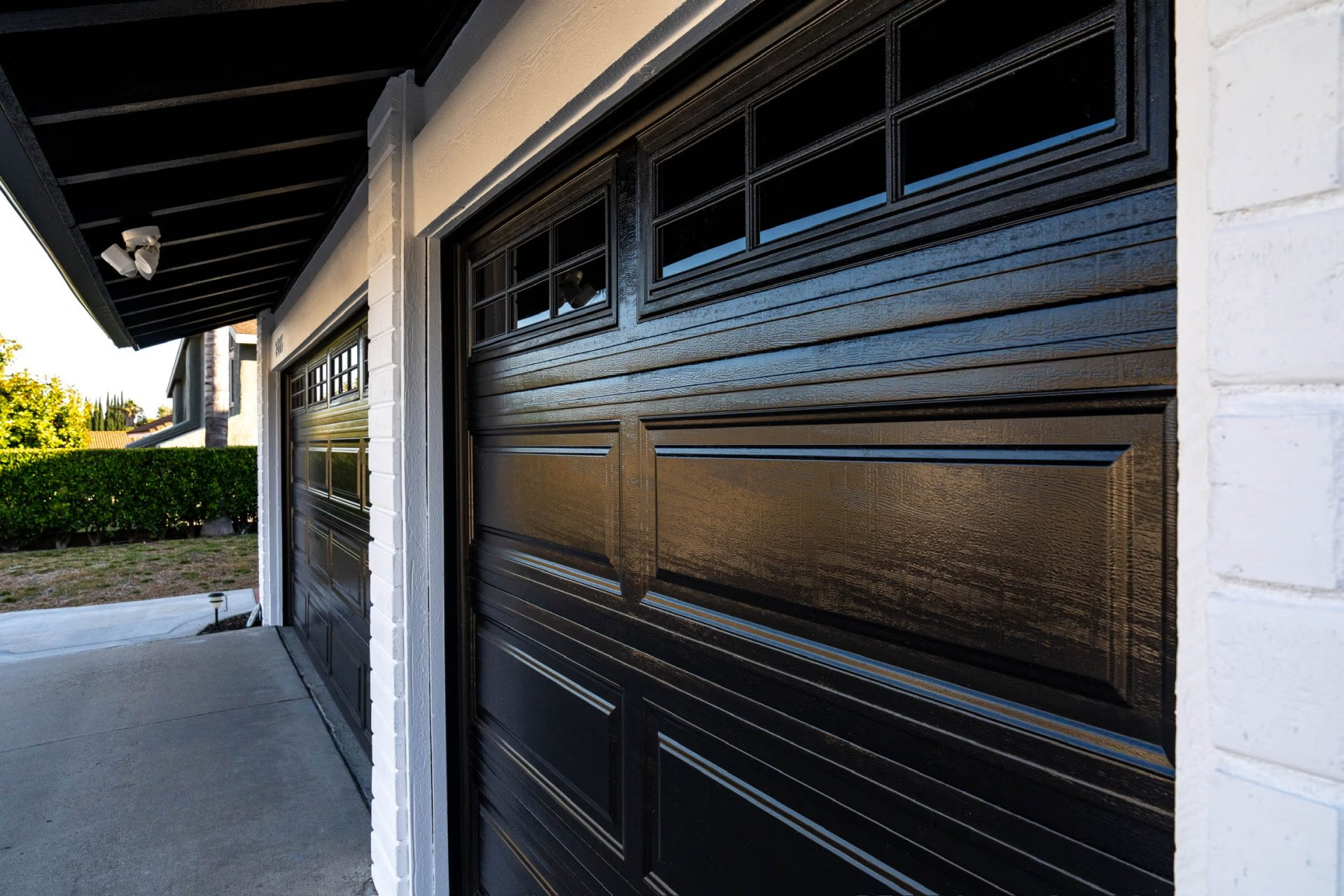
Painting garage doors is not just about aesthetics. It’s an important way to enhance your home’s curb appeal and protect the doors from the elements and corrosion. A fresh coat of paint not only improves the appearance but also creates a protective layer against rain, snow, sun, and rust. Proper surface preparation and choosing paint specifically designed for garage doors (for example, for metal or wood) will ensure a stylish, durable, and reliable coating for years to come.
Preparing your garage door for painting
Preparing your garage door for painting is an important step for a long-lasting and beautiful result. Start by determining the material of your doors: wood, metal, vinyl, or fiberglass, as the choice of paint and primer depends on this. Assess the condition of the old coating. If the paint is peeling or cracked, more thorough preparation will be required, possibly even removing the old paint. Otherwise, light sanding will ensure good adhesion.
To clean the surface, prepare a solution of trisodium phosphate (or a biodegradable detergent, such as dish soap) – about 50 ml per 7-9 liters of water. Use gray synthetic steel wool to thoroughly scrub the surface, removing dirt, oil, wax, sealant, and mildew. Be sure to rinse the solution thoroughly with clean water, changing it frequently, to ensure no detergent residue remains, which could hinder paint adhesion. Finally, wipe down the door with a damp sponge.
Next, lightly sand any protruding elements, window grilles, and frames with medium-grit sandpaper for better paint adhesion. On metal parts, sand only damaged areas to preserve the anti-corrosion coating. For painting, prepare brushes, rollers, or a paint sprayer, depending on the size and complexity of the doors. Use high-quality exterior paint suitable for the material of your doors and your climate. As a primer for better adhesion, you can use Sherwin Williams DTM Bonding Primer or PPG Seal Grip. Don’t forget about protective materials such as drop cloths and painter’s tape. For eco-friendly painting, choose paints and primers with low or zero volatile organic compounds (VOCs).
Choosing the right paint for your garage door
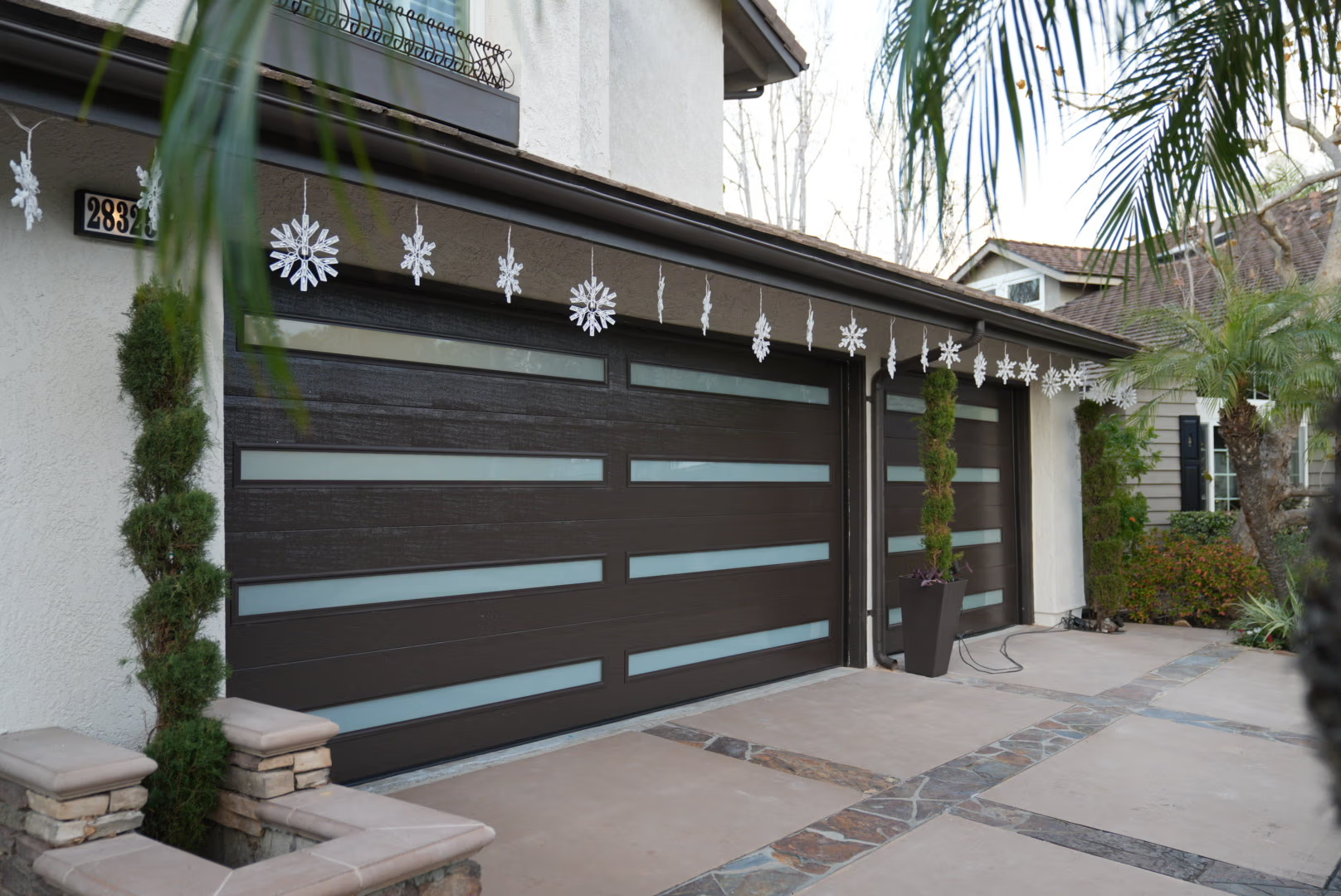
The optimal choice is 100% acrylic latex exterior paint. It is weather-resistant and available in various finishes: matte, satin, or semi-gloss. Before painting, it is highly recommended to use an adhesion primer, such as Sherwin Williams DTM Bonding Primer, Sherwin-Williams Bond-Plex Acrylic Coating, or PPG Seal Grip, for better paint adhesion to the surface.
Different door materials require different solutions. For wooden doors, a “breathable” acrylic latex paint is suitable to prevent moisture buildup. For metal doors, acrylic latex paint with rust protection or “direct-to-metal” paint is suitable to prevent corrosion. For vinyl doors, choose special flexible paints for plastic, which guarantee good adhesion and durability. Semi-gloss finish is popular due to its ease of maintenance and moderate sheen, highlighting details. Satin finish is less shiny but also durable and easy to maintain.
When painting garage doors, especially those made of composite materials, it is important to consider the Light Reflectance Value (LRV) of the paint. Dark colors with a low LRV absorb more sunlight, which can lead to surface overheating and deformation of composite materials – warping or expansion. For such doors, it is better to use light colors or special solar-reflective paints that minimize heating. Always check the compatibility of the paint with the door material and follow the manufacturer’s recommendations to avoid damaging the doors and voiding the warranty.
When choosing a color, you can match it to the house for a harmonious look or make the garage doors a focal point by painting them a contrasting color. Consider the architectural style of the house and the surrounding environment. Before making a final choice, test the color on a small section of the door to see how it looks in different lighting conditions. For eco-friendly painting, choose paints and primers with low or zero volatile organic compounds (VOCs).
Crafting a meticulous pathway for reviving your garage door with paint: A comprehensive walkthrough
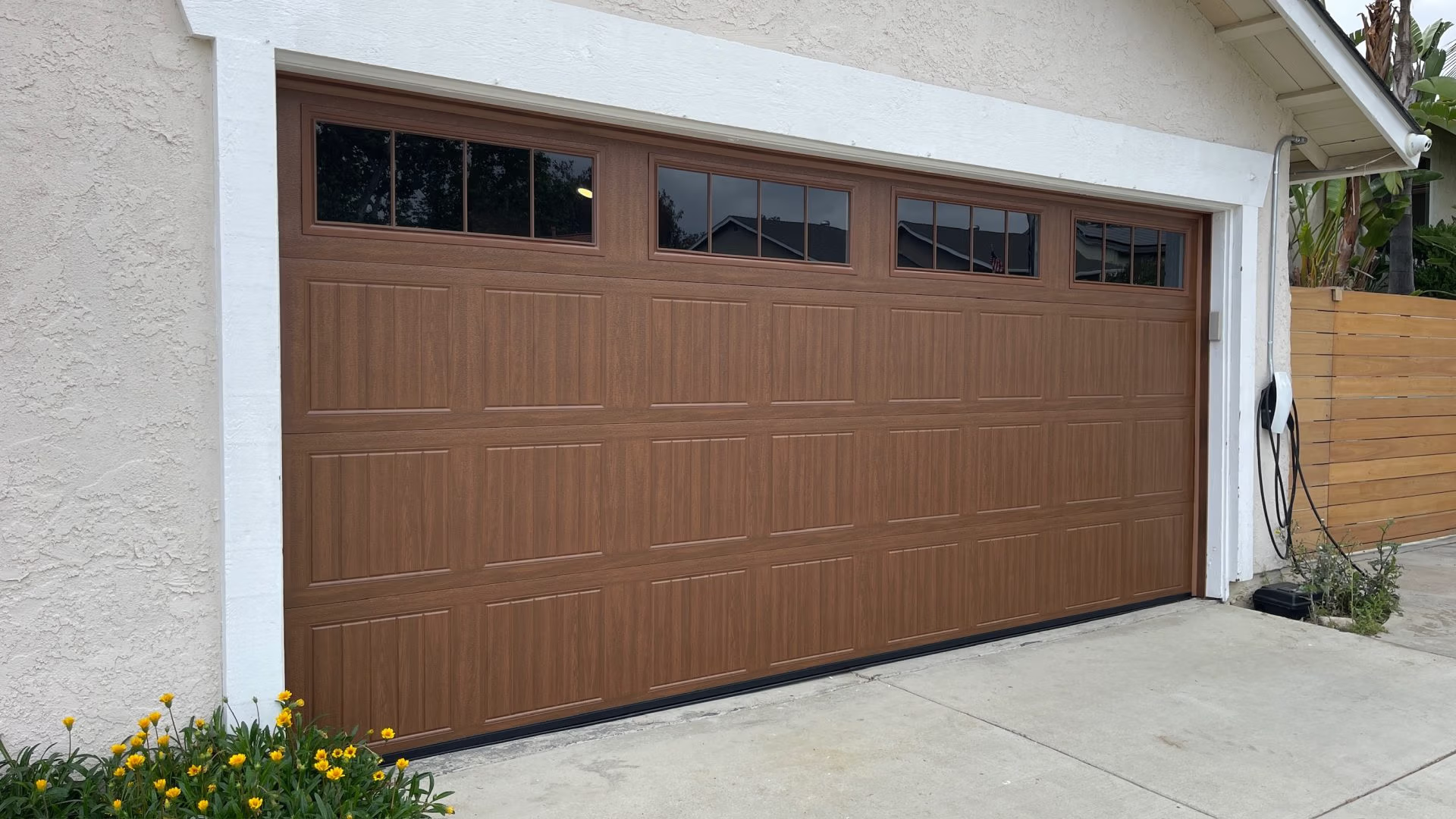
To paint your garage door effectively, ensuring both an attractive appearance and robust protection, meticulous surface preparation and proper paint application are paramount. Begin by cleaning the door to remove any dirt, oil, and other contaminants. Utilize a trisodium phosphate solution or a biodegradable detergent diluted in 7-9 liters of water. Gently apply gray synthetic steel wool for cleaning, being careful not to damage the existing coating. Rinse the solution thoroughly with clean water and allow the door to dry completely.
Following cleaning, lightly sand the surface with fine-grit sandpaper to create a subtle roughness that enhances primer adhesion. Pay particular attention to areas where old paint is peeling. Avoid excessive sanding to prevent damage to the door material.
Next, apply a primer layer. Select an adhesion primer suitable for your door material and the type of paint you’ve chosen. Sherwin Williams DTM Bonding Primer or PPG Seal Grip are excellent options. Apply the primer in an even coat and allow it to dry according to the manufacturer’s instructions. Primer will ensure a strong bond between the paint and the surface.
For painting large, flat areas, use a roller, and for details, edges, and panels, employ a brush. For uniform paint application, especially on large or intricately designed doors, a paint sprayer can be beneficial. Start painting from the top down to prevent drips. Apply the paint in smooth, overlapping strokes, following the door’s texture for even coverage. Use a brush to paint recesses and panel details, avoiding paint buildup.
For optimal results, apply two coats of paint, ensuring the first coat is completely dry before proceeding. The second coat will enhance color saturation and coating durability. Paint drying times are specified on the packaging. After applying the final coat, allow the paint to fully dry and cure before using the door to prevent damage such as smudging or peeling.
Maintenance tips for your newly painted garage door
To ensure your freshly painted garage door retains its attractive appearance and operates smoothly for longer, regular maintenance is crucial.
Gentle Cleaning: Wash the door twice a year with a solution of mild soap and water. This will remove dirt that can damage the paint. Use a soft cloth or sponge to avoid scratching the surface. Ensure the detergent is suitable for the type of paint, especially if specialized paints like solar-reflective paints were used.
Prompt Damage Repair: Regularly inspect the door for chips, scratches, and other paint damage. Timely repairs will prevent rust on metal doors and further deterioration of wood and composite doors. For touch-ups, use paint of the same type and color as the original. For solar-reflective paints, it’s important that the touch-up paint also possesses these properties.
Lubrication of Moving Parts: Annually lubricate all moving parts of the garage door with silicone-based lubricant: rollers, hinges, and tracks. This will ensure smooth operation and protect against wear that can damage the paint. Avoid using petroleum-based lubricants as they can degrade the paint and attract more dirt.
Weather Protection: If the door is frequently exposed to harsh weather, apply a clear protective sealant over the painted surface. This provides extra protection against UV rays, moisture, and temperature fluctuations, especially important for dark-colored doors or in sunny climates. Reapply sealant as recommended by the manufacturer or as needed, depending on operating conditions.
Regular Inspections: Conduct professional garage door inspections regularly to ensure all mechanisms are functioning correctly and address any issues that may affect the door’s appearance and integrity in a timely manner. Pay particular attention to door balance and alignment, as improper adjustments can lead to uneven wear and paint damage.
When to call a professional for garage door painting
Special Materials: Aluminum, composite, and exotic wood species require specialized paints (epoxy, polyurethane, special impregnations). A professional will select the appropriate composition and application technique.
Significant Damage: Rust (requiring sandblasting), rot (requiring patching), deep scratches/dents – a specialist will properly prepare the surface: remove rust, repair damage, and level with filler.
Safety: Heavy doors, spring mechanisms, height – a professional is knowledgeable in safety procedures, utilizing ladders, lifts, and safety harnesses.
Quality and Speed: Need a perfectly even color without drips? Short on time? A specialist with a paint sprayer will paint quickly and efficiently, without streaks or missed spots, saving you from rework.
For more information, please contact us
Conclusion
Painting your garage door is a significant investment in your home’s curb appeal and protection. A well-executed paint job not only revitalizes the appearance of your entire property but also shields the door from environmental elements, extending its lifespan. However, the benefits of your effort can only be maintained with regular upkeep. Whether you embrace the DIY spirit or opt for professional expertise, remember that a vibrant and well-maintained garage door makes a statement and reflects your pride in your home’s upkeep.



 See You Soon!