Pros and Cons of Garage Door Windows
Contents
- 1. Different Types of Garage Doors
- 2. Variations and Practical Applications
- 3. Standard Garage Door Sizes for California Homes
- 4. How to Measure Your Garage for the Right Door Size
- 4.1. Step 1 Width Measurement
- 4.2. Step 2 Height Measurement
- 4.3. Step 3 Side Room Assessment
- 4.4. Step 4 Headroom Calculation
- 4.5. Step 5 Backroom Dimension
- 5. Optimal Practices and Guidance
- 6. For more information, please contact us
- 7. Selecting the Perfect Garage Door Size for Your Home: A Comprehensive Guide
- 7.1. Consider Your Vehicle Type
- 7.2. Reflect on Your Lifestyle
- 7.3. Plan for the Future
- 7.4. Account for Storage and Movement Space
- 7.5. Remember the Aesthetics
- 8. Conclusion
- 9. Related Services



Selecting the ideal garage door size transcends aesthetic appeal; it’s a pivotal choice that significantly impacts your garage’s functionality, safety, and ease of access. With a spectrum of sizes and styles crafted to cater to the individual needs of every homeowner, making an informed selection is vital. Whether embarking on a garage construction project, updating an existing entry, or exploring standard dimensions, grasping the breadth of available size options is crucial.
This guide demystifies the selection process, spotlighting single, double, and conventional dimensions. By exploring various garage door types and their corresponding standard sizes, we aim to equip you with the knowledge necessary to choose the most suitable garage door size for your dwelling.
Different Types of Garage Doors
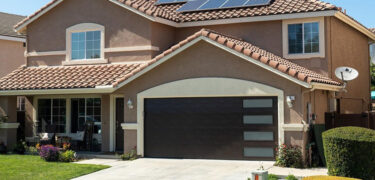
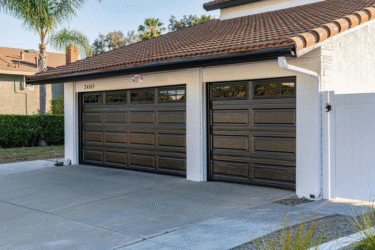
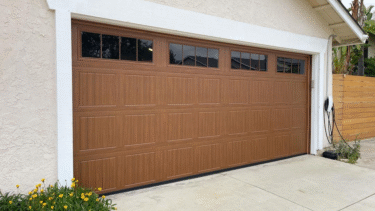
Choosing the right garage door involves a deep dive into the options available, each tailored to meet specific lifestyles and space requirements. We focus on three main types: single, double, and dual single doors for two vehicles, all designed with distinct advantages for varying needs.
Variations and Practical Applications
Deciding among single, double, and dual single garage doors hinges on several factors, including the dimensions of your garage, personal aesthetic inclinations, and functional needs like vehicle quantity and dimensions.
Single doors are the quintessential choice for compact spaces or homes with a singular vehicle, presenting a straightforward and effective solution.
Conversely, double doors are the go-to for accommodating multiple vehicles, offering the luxury of a spacious entrance perfect for households owning more than one car.
Opting for a dual single-door configuration blends visual charm with utility, appealing to those who value both form and function in their garage design choices.
Standard Garage Door Sizes for California Homes
In the varied architectural landscape of California, from spacious suburban abodes to snug city homes, choosing the correct size for your garage door is essential for both its practicality and contribution to your home’s appearance. A clear understanding of the standard dimensions for single, double, and dual-single garage doors can guide California homeowners, toward choices that complement their way of life and the architectural flair of their residences.
Single garage doors in the Golden State generally conform to the nationwide standard dimensions, 8 to 10 feet in width and 7 to 8 feet in height. These measurements are designed to comfortably fit most cars, making them an intelligent choice for garages for a single vehicle or those with limited space. They provide an ideal solution for properties with restricted garage areas or individuals with just one vehicle, ensuring easy access while leaving room for storage and other needs.
Double garage doors are popular in residences with more generous garage spaces that fit two vehicles. These doors extend 16 feet in width and range from 7 to 8 feet in height, providing a roomy passageway for two cars and making it easier to accommodate larger vehicles or households with several cars. This option is favored in suburban settings, reflecting the typically larger garage spaces.
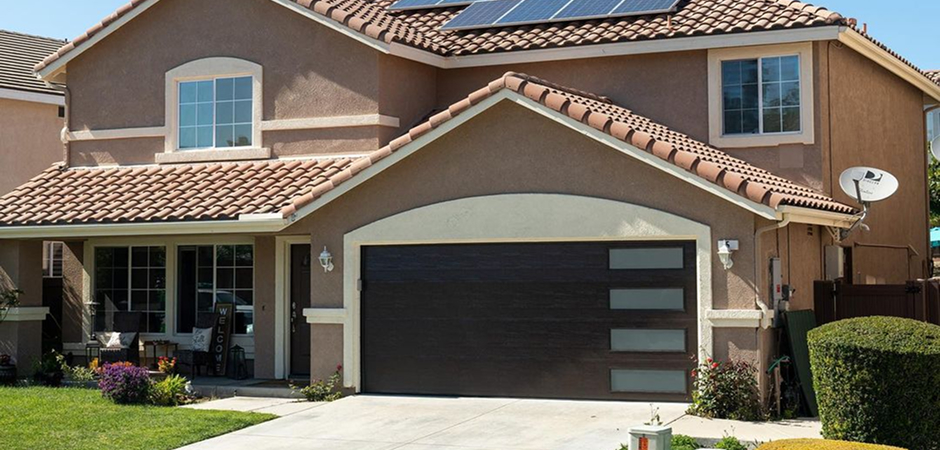
When the design accommodates parking for two vehicles, California homeowners sometimes choose between a single double-width door or two separate single doors. Opting for two individual doors means each adheres to the size standard for single garage doors, allowing for separate access for each car. This approach is appreciated for its aesthetic merits and functional benefits, such as minimizing heat loss and allowing movement of one vehicle without affecting the other.
In selecting the ideal garage door size in California, consider the type of vehicles you own and the available space in your garage. Strive for a comfortable fit that provides ample space for movement. Anticipating future changes, like upgrades to your vehicle or a need for more storage space, is also wise.
Standard sizes may only sometimes be suitable for those unique architectural designs across California. Custom-sized garage doors are an available solution to meet the specific dimensions of your garage, ensuring a seamless look while upholding the architectural integrity of your home.
How to Measure Your Garage for the Right Door Size
Accurately gauging the dimensions of your garage for a new door is a pivotal process that guarantees an impeccable fit, significantly enhancing your home’s functionality and visual appeal. Here’s a detailed walkthrough to navigate this task effectively, ensuring precision and sidestepping prevalent errors.
Step 1 Width Measurement
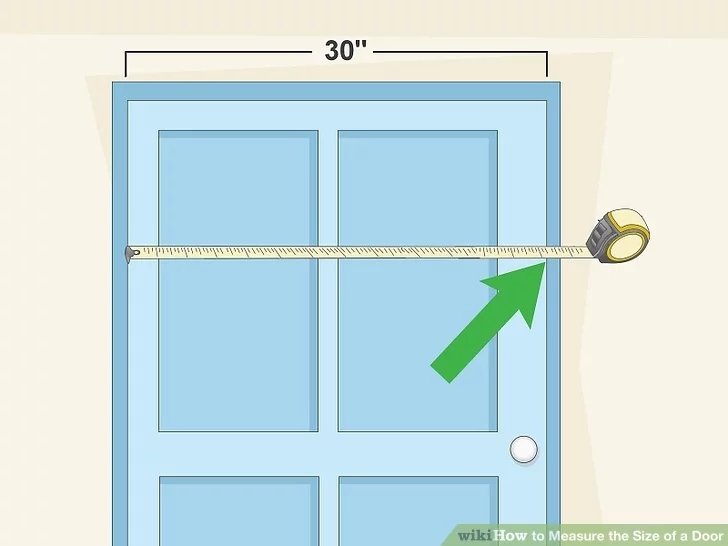
Begin with the garage door's width by measuring across the opening at its broadest section, usually from one side to the other. Employing a tape measure, note this distance in feet and inches, emphasizing accuracy at this broadest point to account for any potential irregularities in wall alignment.
Step 2 Height Measurement
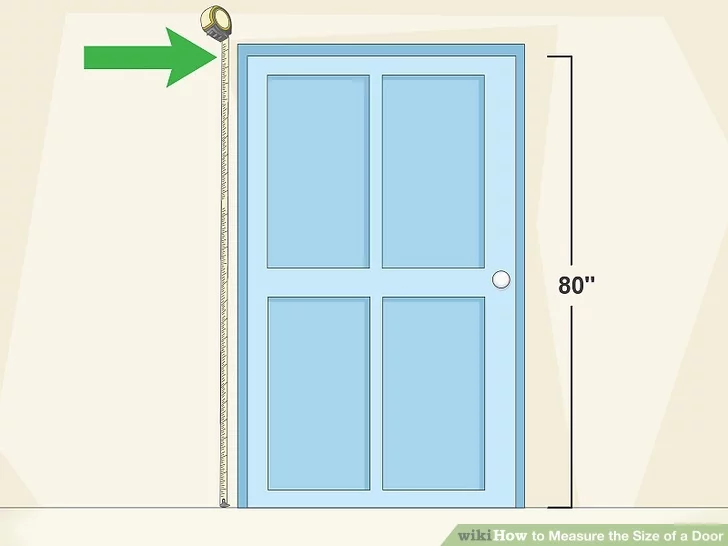
Proceed to ascertain the height from the floor to the uppermost part of the door opening. It's vital to measure from the highest point, acknowledging any unevenness in the floor level or the opening itself, to ensure an accurate height representation.
Step 3 Side Room Assessment
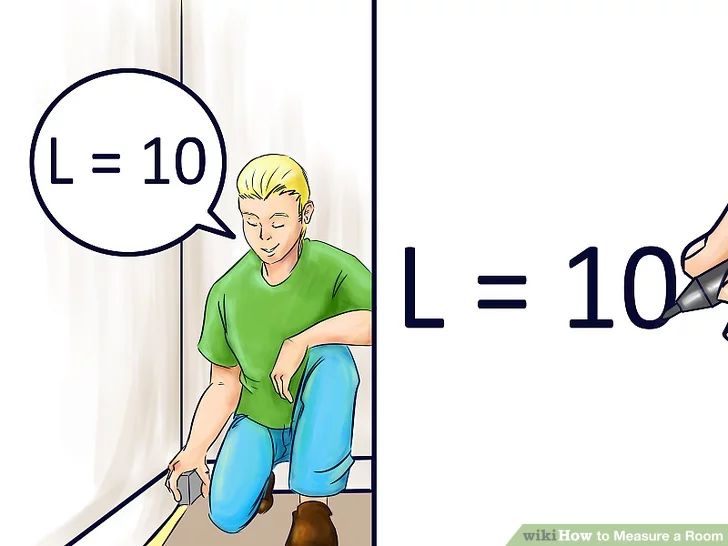
Evaluate the width of the space adjacent to the door opening, referred to as the side room. This area is essential for installing the door's vertical track system, whether a standard torsion Springs or an extension Springs setup. A minimum of 3.75 inches of clearance on each side is generally required.
Step 4 Headroom Calculation
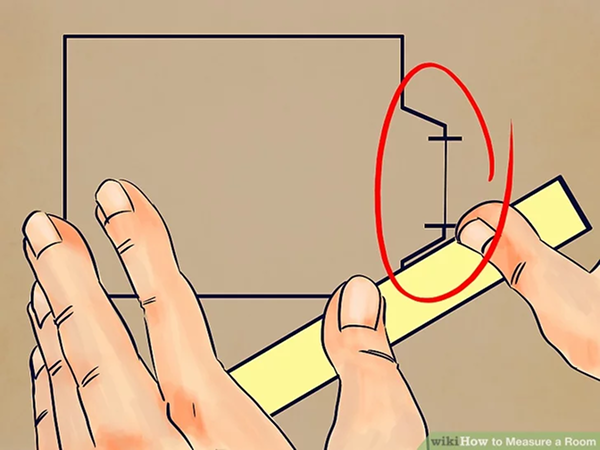
Determine the distance from the top edge of the door opening to the ceiling, known as the headroom. This clearance is crucial to accommodate the door's upward movement or folding mechanism within the garage. Depending on your door type and operational system, you'll need a headroom of about 10 to 12 inches for standard configurations. Additional space might be necessary if an automatic opener is part of your plan.
Step 5 Backroom Dimension
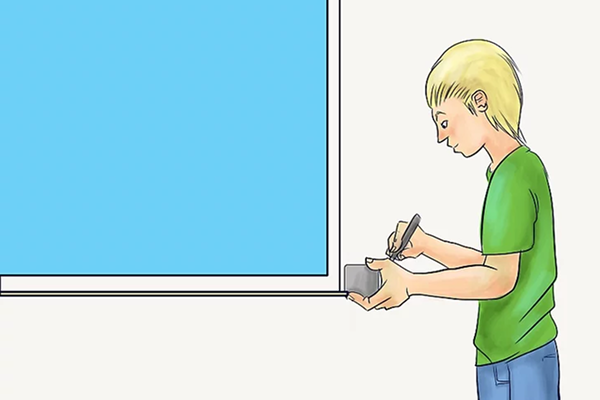
Lastly, measure the length from the door opening to the garage's rear wall; this dimension is termed the backroom. It's essential for allowing the door to open fully without obstructions. The requisite measurement is typically the height of the door plus an extra 18 inches to ensure adequate clearance for most door types
Optimal Practices and Guidance
- Utilize a dependable measuring tape, and when possible, enlist the assistance of another person for enhanced precision.
- Stay aware of potential impediments, such as lighting fixtures, piping, or electrical boxes that may affect the door’s functionality and necessitate adjustments.
- Consider your garage’s length; whether notably short or extended, it could influence your options for door types.
- Always verify your measurements again to circumvent potential inaccuracies that could complicate the installation process.
- Should you have doubts regarding the measurement process or the selection of a suitable garage door for your residence, feel free to contact our experts at Best Garage Door Repair and Service.
- We are committed to offering tailored advice to guarantee the selection of an appropriate door for your home. Our team is prepared to furnish you with the necessary support and expertise.
For more information, please contact us
Selecting the Perfect Garage Door Size for Your Home: A Comprehensive Guide
Selecting the perfect garage door size is more than just about fitting your vehicle; it’s about accommodating your lifestyle, plans, and the need for additional space in your garage. Here’s how to ensure you make the best choice for your home.
-
Consider Your Vehicle Type
The size of your vehicle plays a critical role in identifying the suitable dimensions for your garage door. If you own larger vehicles such as SUVs or trucks, you’ll require a door that provides ample space for easy access and maneuverability. A double garage door or two single doors can offer the necessary width and height for homes with multiple cars.
-
Reflect on Your Lifestyle
How you plan to use the garage also influences the door size. If your garage doubles as a workshop, fitness area, or storage space, you must factor in the additional room required for these activities. A larger door may provide easier access and more flexibility for moving items in and out.
-
Plan for the Future
Future-proofing your garage door choice means considering any potential changes in your vehicle type, family size, or garage space usage. Opting for a slightly larger door now can prevent costly modifications should your needs change.
-
Account for Storage and Movement Space
Garages often house vehicles and store tools, bicycles, and other household items. Ensure that the door size allows for adequate storage along the walls and sufficient space for people to move around comfortably, especially when vehicles are parked inside.
-
Remember the Aesthetics
The size of your garage door should also complement your home’s overall design and proportions. A door that’s too large or small can disrupt the aesthetic harmony of your property’s facade. Take into account your residence’s architectural design, and don’t hesitate to consult with experts for guidance on selecting the optimal size to elevate your home’s exterior charm.
Conclusion
In wrapping up this comprehensive guide on garage door sizes, we’ve delved into the nuances of selecting the ideal door dimensions for single, double, and two-car garages. Navigating the realm of standard measurements, precise garage assessments, and myriad considerations in garage door size selection highlights the significance of making an informed choice. A correctly sized garage door not only enhances the functionality and accessibility of your garage but also contributes significantly to your home’s aesthetic appeal and value.


 See You Soon!