How to Fix a Noisy Garage Door: Tips for a Quieter Operation
Contents



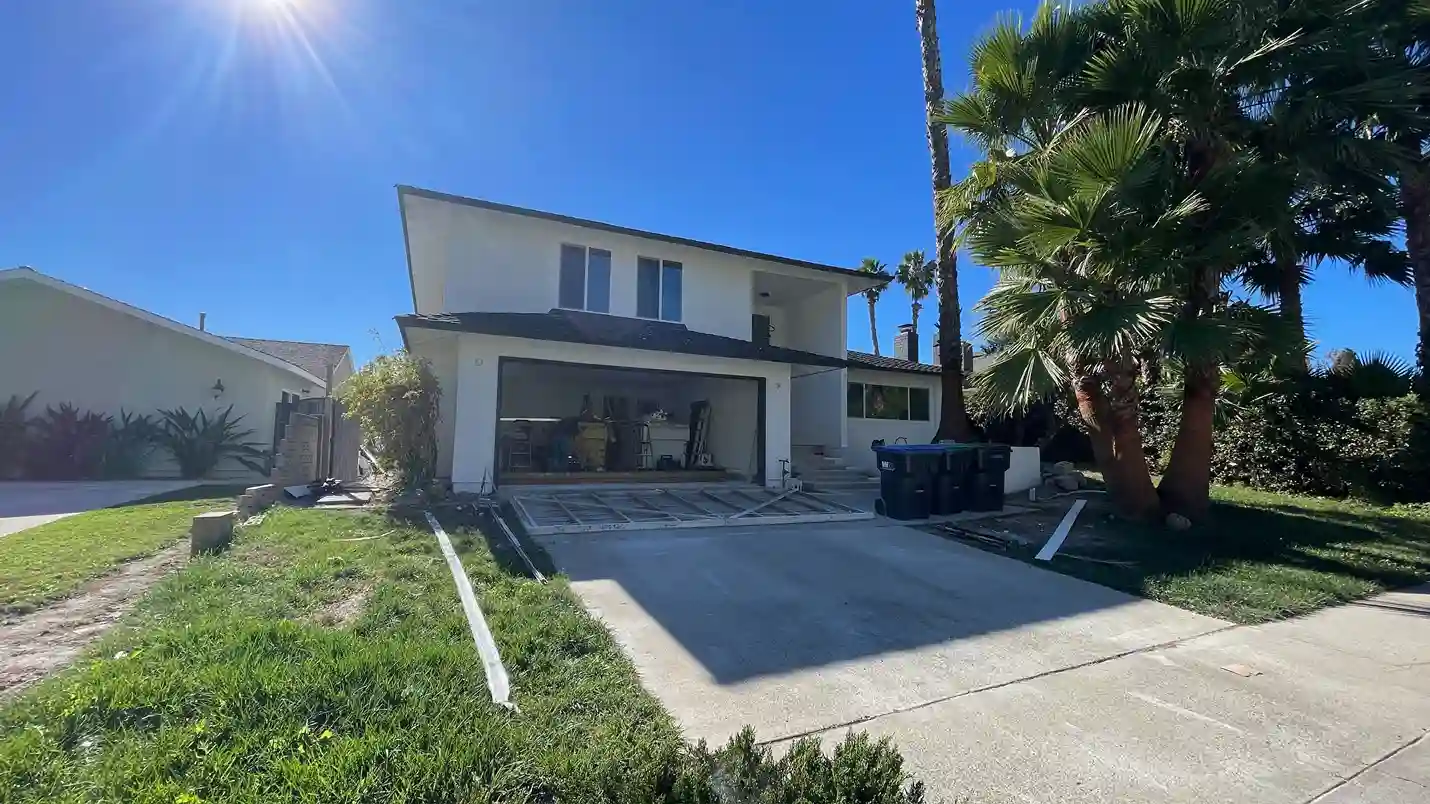
A squeaky garage door mostly indicates wear and tear. For repairing the same, start by lubricating rollers, hinges, and springs in order to reduce friction. Old rollers can be replaced with specialized quiet nylon rollers as well, thereby reducing the noise. In case there are recurrent problems, some soundproofing material will also help reduce noise significantly.
Common Reasons Why Your Garage Door Is So Loud
A creaky garage door is attributed to several typical causes, including:
- Worn rollers – Rollers get worn out with time, especially metal rollers. Quiet nylon rollers can significantly reduce the noise.
- Loose hardware – Heavy usage of screws, bolts, and other hardware loosens them and produces a rattling sound. Tightening them can reduce the noise.
- Lack of lubrication – There is a possibility that there is not enough lubrication, and friction causes squeaking as the door opens. Lubricate the hinges, rollers, and springs at regular intervals so that the squeaking does not pose any problems.
- Opener problems – Squeaking can also result from a misaligned or worn-out opener. Replacement or frequent servicing of the opener can help reduce the sound.
In the long run, scheduled maintenance avoids future problems and keeps your doors quiet and rolling smoothly.
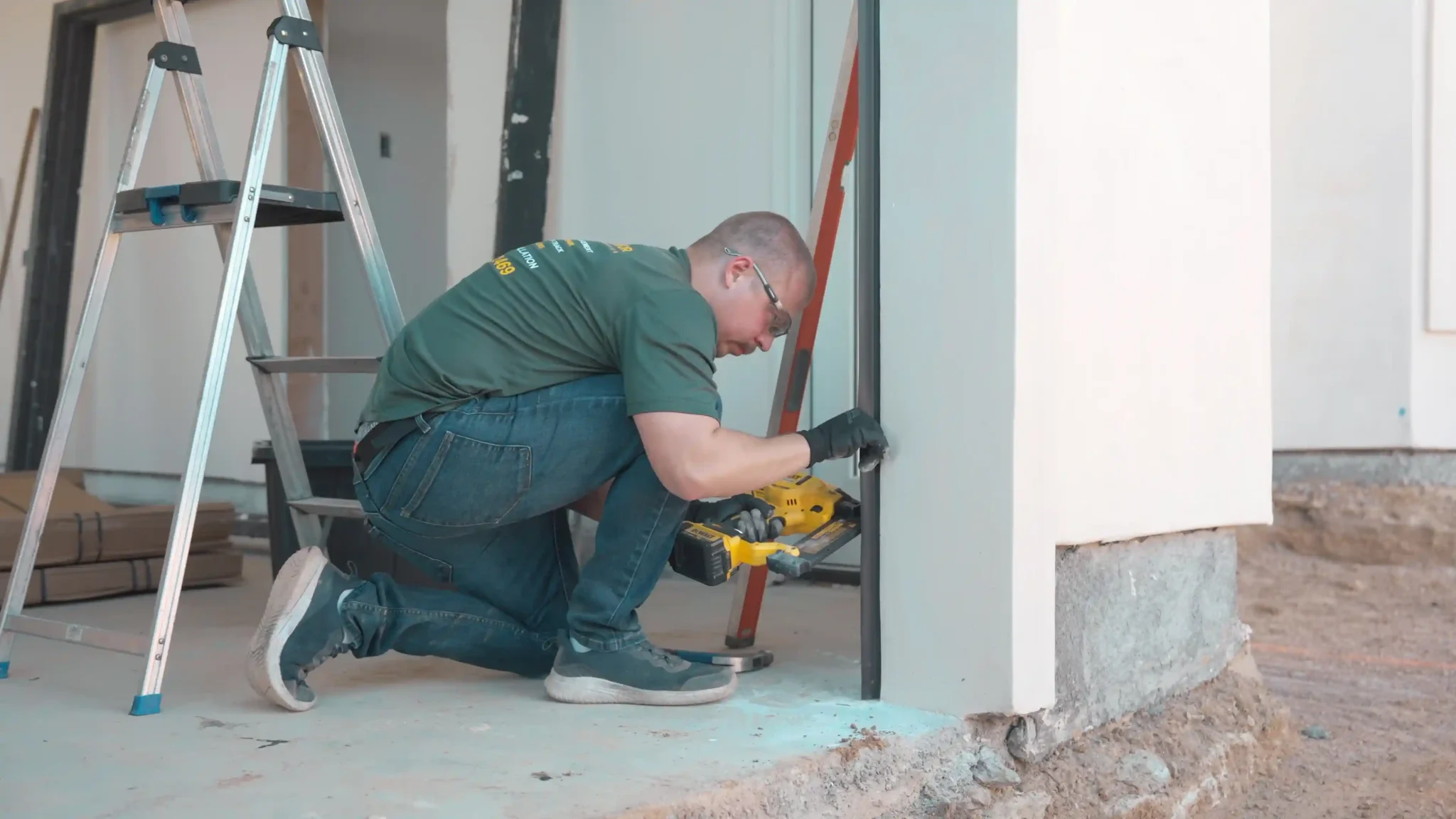
Step-by-Step Guide to Fixing a Squeaky Garage Door
A squeaking garage door can be more than annoying – it can be a sign that a bit of maintenance is called for pronto. In this article, we will show you the easy solution to the problem step by step, removing the squeak and keeping everything running smoothly and quietly.
- Inspect and Tighten Hardware
Loose nuts and bolts are among the most common causes of a creaking garage door. Check and tighten hardware from time to time to reduce rattling and vibration.
- Lubricate Moving Parts
Lubricate tracks, hinges, and rollers to fix a squeaky door. Lubrication generates hardly any friction and won’t cause squeaking.
- Replace Worn-Out Rollers
Replacing to quiet rollers on the garage door will reduce noise substantially. Over time, worn-out rollers break down, and fresh, quieter rollers improve performance and noise.
- Tighten the Opener
If the creaking continues even after the above steps, perhaps the opener has to be adjusted. Ensure that it is set and running perfectly.
How to Make Your Garage Door Quieter: Practical Tips
If you’re dealing with a squeaky garage door, you’re not alone. This is a common issue that many homeowners face, especially when the door gets older or is used frequently. Thankfully, there are multiple effective methods to reduce noise and achieve smoother operation. Here’s how to make your garage door quieter:
-
Use Nylon Rollers
One of the best ways of reducing noise is to replace your steel rollers with noise-reducing nylon rollers. The nylon rollers are specifically made with the objective of decreasing friction, and they are generally a lot quieter than steel rollers. They are a superb product for noise reduction. They can dramatically reduce noise during operation.
-
Install Rubber Insulation Strips
If the noise persists, a new silent garage door motor that won’t wake up your sleeping children is a perfect solution. New garage door openers incorporate noise suppression technology, ensuring smooth and quiet performance. In case the garage door remains noisy despite regular maintenance, motor replacement can be a huge change.
-
Lubricate Moving Parts
Occasionally, the easiest solution is simply to lubricate the moving parts. Periodically oiling the hinges, rollers, and tracks can help prevent squeaking and prolong the life of your door.
When to Call a Professional for a Squeaky Garage Door Fix
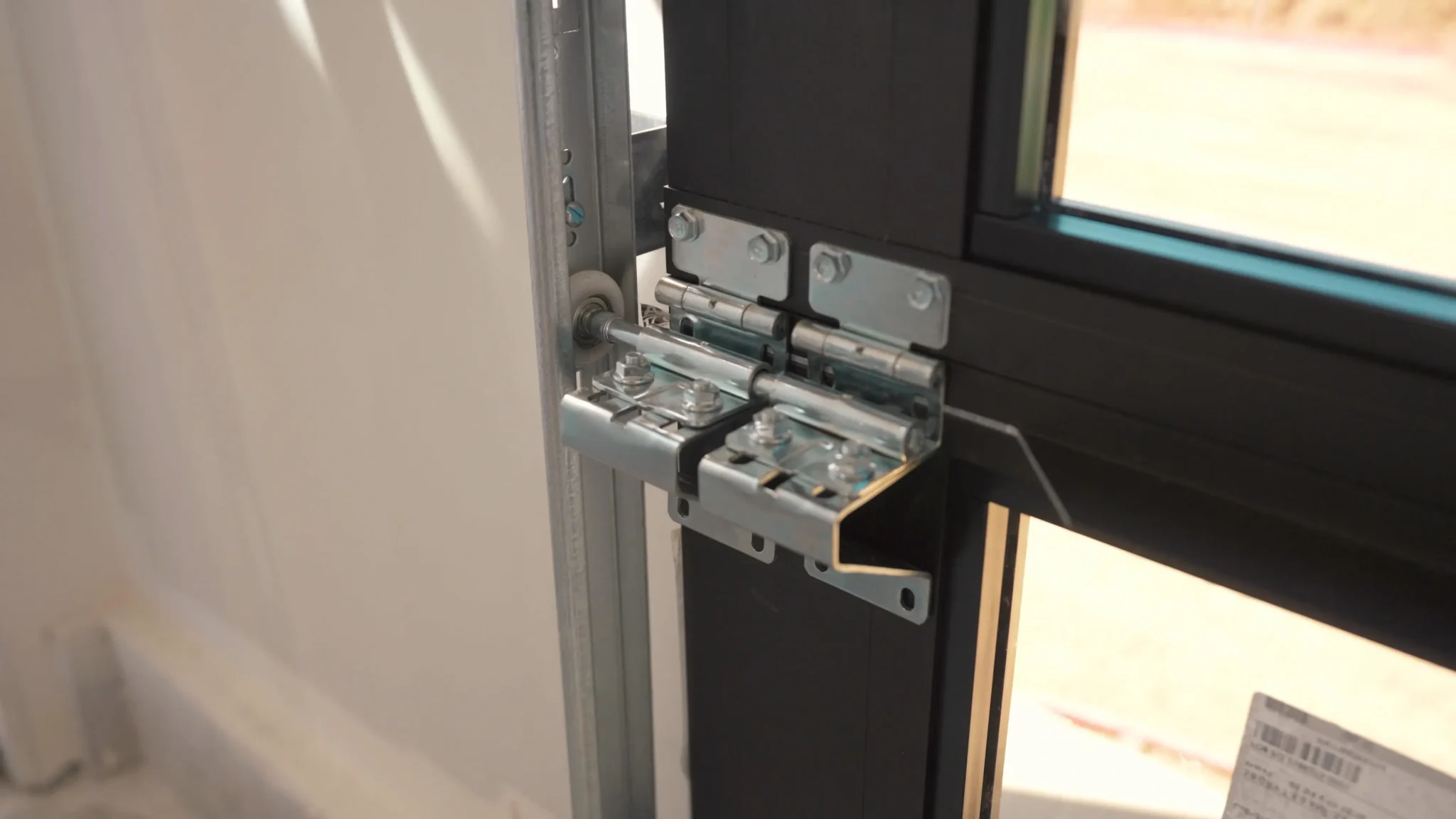
A creaky garage door could be a sign of more advanced issues. While DIY fixes can be useful, some problems call for professional services:
- Ongoing noise after DIY repair – When your noisy doors won’t stop making noise despite your repair intervention, it might be a sign of worn parts or poor lubrication. An expert will examine and prevent further damage.
- Squeaky garage door spring issues – Loud garage door springs are an indication that they have worn out. Since springs are what balance the door’s weight, trying to repair them yourself can be hazardous. This should be left to a technician.
- Garage door making clicking noise while moving – A clicking sound from a garage door while moving can indicate an opener or alignment problem that needs a professional’s expertise and tools to repair.



 See You Soon!